Specifications matched to structure, exposure, finish and documented sourcing requirements.
Responsible timber · Material efficiency · Durable delivery
Use timber responsibly. Engineer it to perform for decades.
ERGIO approaches sustainability as a project-wide discipline: source appropriate materials, use them efficiently, manufacture accurately, protect them through delivery and design the timber scope for durable service.
Responsible sourcingEfficient productionDurable systemsProject evidence
A project-wide discipline
Sustainability is shaped at every handover.
The environmental performance of a timber project is not determined by one material label. It is influenced by sourcing, structural efficiency, manufacturing decisions, transport, installation, durability, maintenance and end-of-life assumptions.
Responsible material selection
Specify the source, grade and documentation before procurement.
Material requirements are coordinated with the structural design, visual quality, exposure conditions and contractual sourcing objectives. FSC or PEFC documentation is supplied only where specified, available and confirmed for the relevant product and order.
- Structural class and visual quality
- Supplier and product documentation
- FSC / PEFC availability where requested
- Treatment and exposure requirements
Material and system efficiency
Resolve avoidable waste before it becomes a purchase order.
ERGIO reviews panelisation, component families, sections, machining operations, transport limits and assembly logic. Proposals affecting architecture or structure return to the responsible designer for approval.
- Section and format rationalisation
- Repeatable details and component families
- Panel and sheet utilisation
- Hybrid system selection
Controlled factory production
Precision makes material efficiency repeatable.
Digital production data, automated panel assembly and robotised machining help keep geometry, revisions and component identification under control. Eligible offcuts and production residues are separated for the most appropriate available route.
- Machine-ready production data
- Controlled cuts and machining
- First-piece and in-process checks
- Segregation of reusable material and residues
Logistics and site readiness
Transport only what the site is ready to receive.
Packages can be organised by building, unit, level, phase or assembly sequence. Site access, unloading, lifting and storage conditions are reviewed before dispatch to reduce avoidable handling and weather exposure.
- Phased manufacturing and call-offs
- Assembly-sequenced packaging
- Transport configuration review
- Site readiness confirmation
Durability and service life
Long service begins with protected details.
Moisture strategy, drainage, ventilation, interfaces, treatment and maintenance access must be coordinated by the project team. ERGIO manufactures the approved solution and can support installation within the contracted timber scope.
- Moisture-sensitive interfaces
- Protection during transport and assembly
- Appropriate treatment where specified
- Inspection and maintenance access
Responsible sourcing
Document the material that is actually supplied.
Responsible procurement requires a direct connection between the specification, the ordered product, its source and the documents issued for the delivery. A generic certificate or supplier statement should not be assumed to apply to every component or project.
Contract requirementFSC or PEFC requirements must be included before commercial confirmation so availability, scope and documentation can be checked.
Specification
Define structural class, visual quality, species, treatment, source requirements and intended use.
Procurement
Confirm the selected supplier, product, availability, lead time and relevant documentation.
Receipt
Check identity, quantity, visible condition and supporting records against the order.
Handover
Issue only the documents applicable to the supplied product, lot, project and contractual scope.
Material efficiency
More value from every production decision.
The strongest opportunity is usually upstream: reduce unnecessary variety, align dimensions with material formats, choose the appropriate manufacturing method and coordinate logistics before production release.
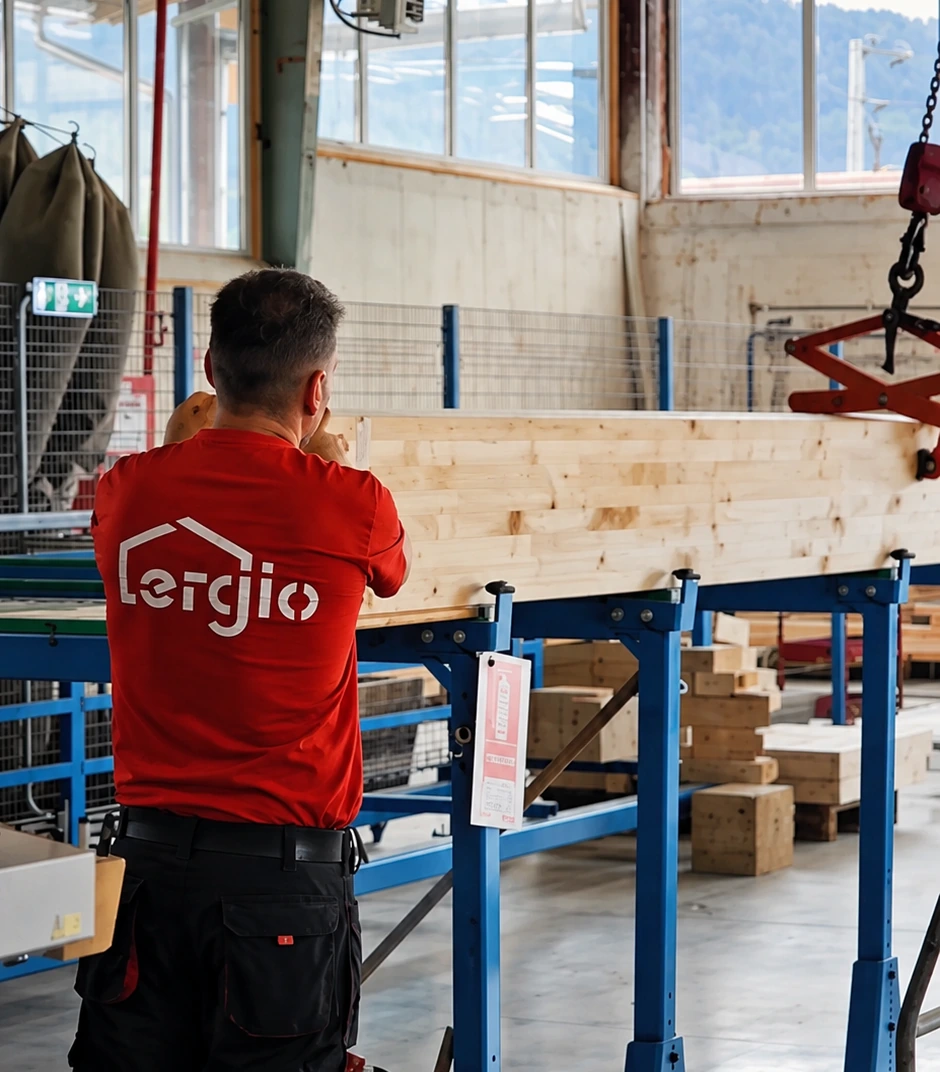
Design to manufacturing
Optimise before cutting begins.
Production engineering translates approved design into individual components and operations. This is the stage where unnecessary unique pieces, difficult tool access, inefficient lengths and avoidable machining can be identified.
Explore Value Engineering ↗Reduce unnecessary section families while preserving approved performance.
Coordinate dimensions, openings and joints with production and transport constraints.
Simplify repeated operations and improve access for tools and assembly.
Separate reusable lengths from residues and route them according to technical suitability.
Coordinate materials, protection and loading with the actual delivery sequence.
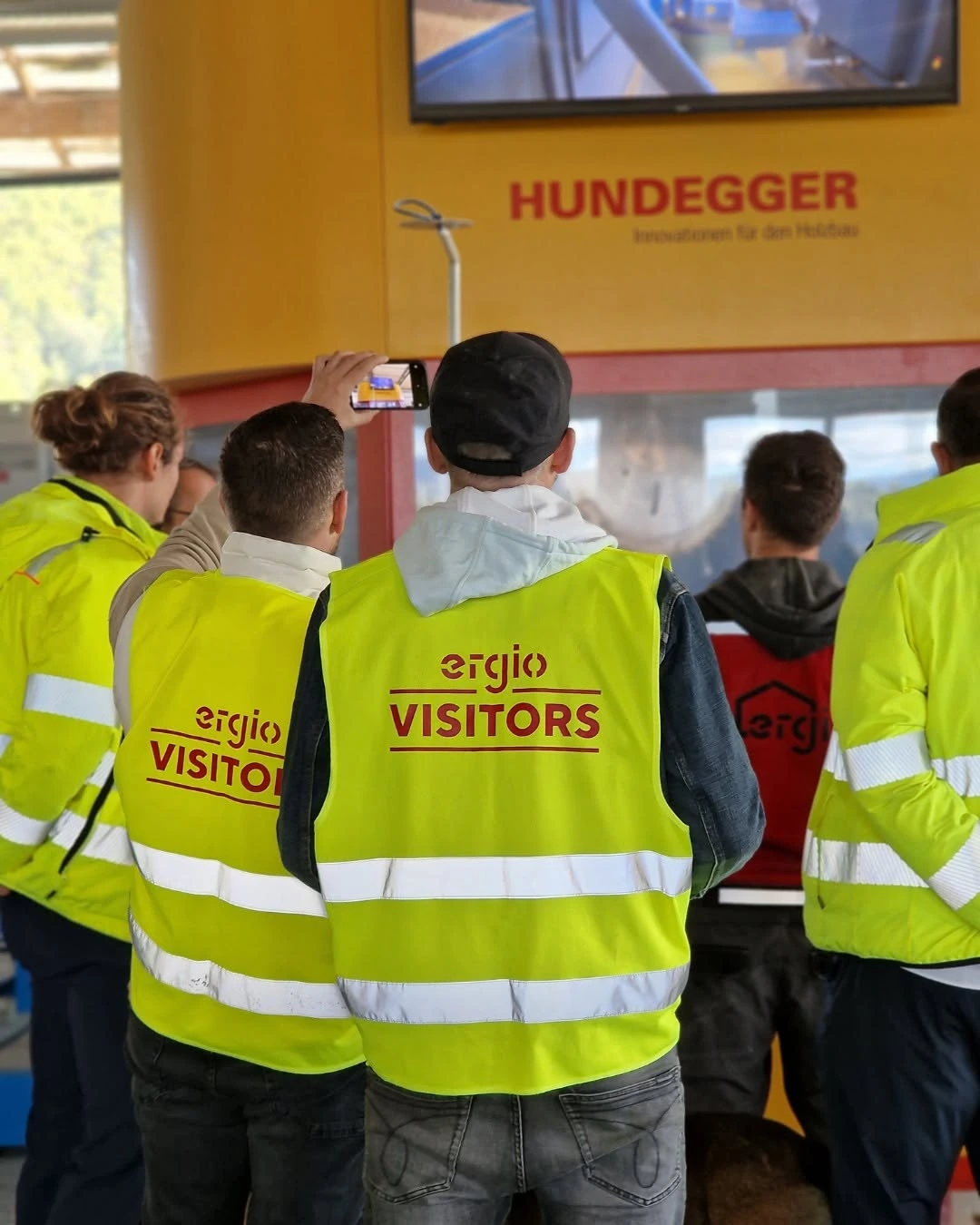
Controlled environmentRepeatable production, inspection and identification before dispatch.
Factory versus site
Move complexity into a controlled workflow.
Prefabrication can reduce the amount of cutting, measuring and material coordination performed in variable site conditions. Its benefit depends on accurate design information, approved revisions, appropriate protection and a site prepared to receive the package.
01
Controlled production data connects approved information to machinery and quality checks.
02
Component identification supports traceability and organised assembly.
03
Sequenced packaging reduces avoidable handling when site planning is confirmed.
04
Site feedback can improve later units in serial and phased programmes.
Durability before claims
A long-lived timber system must remain dry, protected and maintainable.
Service life depends on more than the timber product. The project team must coordinate water shedding, ventilation, drainage, ground clearances, interfaces, temporary protection, treatment, access for inspection and the maintenance strategy.
Request Project Documentation ↗Keep water out
Coordinate roofs, flashings, façades, openings and exposed connections.
Let assemblies dry
Define vapour, ventilation and drainage strategies for the local climate.
Protect vulnerable interfaces
Resolve foundations, post bases, end grain, penetrations and construction joints.
Maintain access
Allow inspection, cleaning, recoating and replacement where the design requires it.
Environmental evidence
Claims must match the product, project and methodology.
ERGIO can provide applicable material, quality and sourcing documents within the agreed scope. Whole-building carbon calculations, life-cycle assessments and regulatory declarations remain project-specific professional services unless explicitly contracted.
Product and delivery evidence
- Material identity and structural documentation
- FSC / PEFC documentation where specified and applicable
- Treatment records where included
- Component, package and revision traceability
- Project-specific quantities and supply scope
- Applicable supplier declarations available for the order
Building-level environmental conclusions
- Whole-building life-cycle assessment
- Biogenic carbon accounting methodology
- Operational energy calculations
- Local taxonomy or certification compliance
- Comparisons with alternative structural systems
- End-of-life scenarios and verified carbon savings
Our communication ruleWe do not use a generic “carbon saved” figure as a substitute for a project-specific assessment.
Professional documentation
Evidence matched to the product, market and project stage.
Request the information your team needs for specification, procurement, technical review or handover. ERGIO confirms applicability against the actual product and supply scope, then sends the relevant files to the business email provided.
Material & structural
Product identity, structural class and applicable material documentation for the supplied scope.
Responsible sourcing
FSC / PEFC information where specified, available and confirmed for the relevant product and order.
Treatment records
Applicable treatment information where treatment is included within the contracted supply package.
Quality & traceability
Relevant production, identification, package and revision information within the agreed project scope.
Project quantities
Supply-scope and quantity information available for professional project review and coordination.
System build-ups
Technical build-up information for coordination with the responsible architect and engineering team.
Sustainability FAQ
Questions behind responsible timber procurement.
Final product availability, documents, environmental scope and contractual requirements are confirmed for each project.
Is every ERGIO product FSC or PEFC certified?
No. FSC or PEFC documentation must be specified, checked for the relevant product and source, confirmed commercially and supplied as applicable to the order.
Can ERGIO provide a carbon footprint for the whole building?
ERGIO can provide relevant product and quantity information within its supply scope. Whole-building life-cycle assessment and carbon conclusions require a project-specific methodology and qualified project consultant.
Does prefabrication automatically make a project sustainable?
No. Prefabrication can improve control and reduce avoidable site operations, but the outcome still depends on design, material specification, transport, site readiness, durability and the complete building strategy.
How does ERGIO reduce material waste?
Through value engineering, section and component rationalisation, panelisation, controlled machining, separation of eligible reusable offcuts and organised handling of production residues.
Can environmental documentation be requested during tender?
Yes. The request should identify the product, destination market, required scheme or standard, project stage and deadline so applicability and availability can be checked before commercial commitment.
Who confirms local environmental compliance?
The responsible project consultants and authorities confirm local compliance. ERGIO supplies applicable product information and manufactures the approved timber scope.
Responsible project delivery
Make sustainability requirements part of the technical brief.
Share the project, target market, sourcing requirements and documentation needed. We will clarify what can be supported before pricing and production commitments are made.